


Leave A Reply
Selecting a grade of copper chloride for silicone processing starts with reaction behavior, not with a generic purity label. In silicone systems, small differences in chloride balance, trace metals, moisture pickup, and particle condition can shift catalyst activity, color stability, and by-product formation. A grade that looks acceptable on a general chemical specification may still create unstable performance if the impurity profile is not controlled for silicone use.
For most evaluations, the first distinction is between nominal assay and effective usability. A high listed content of copper chloride is useful only when the remaining fraction is predictable. Iron, lead, and other trace metals may interfere with sensitive reaction pathways or contribute to darker product appearance during elevated-temperature processing. Residual insolubles can also matter. Even when present at low levels, they may accumulate in feed tanks, filters, or dosing lines and create inconsistency between early and late production runs.
What to examine beyond the headline specification
Moisture sensitivity deserves close attention. If the material is stored under variable humidity or packaged in a way that allows repeated exposure to air, caking and hydrolysis may occur. In practice, that can change flow behavior, reduce feeding accuracy, and alter how the copper chloride disperses into the process. For batch operations, this may show up as longer induction periods or uneven conversion. In continuous operation, it may appear as drifting activity rather than an obvious failure.
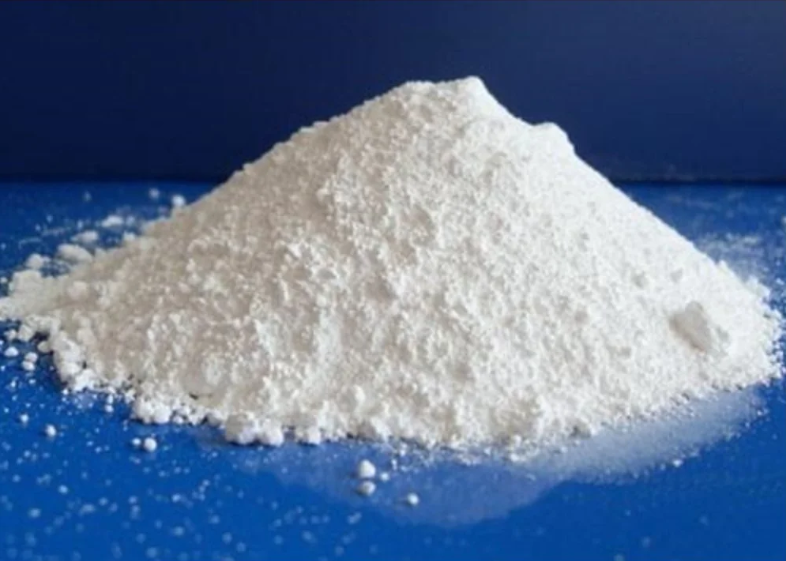
Particle size is another practical variable. A very coarse grade may dissolve or disperse too slowly, especially where mixing energy is limited. An extremely fine grade can improve dispersion, but it may also increase dust generation during charging and complicate containment. If the process uses enclosed transfer, this tradeoff may be manageable. If manual addition is still part of the workflow, physical handling properties become part of grade selection, not a separate issue.
Production route can influence stability as much as the certificate values. Copper chloride made through tightly controlled thermal or purification steps may present a narrower impurity range lot to lot. That matters in silicone processing because repeatability often depends on keeping minor contaminants from moving around more than the main active component. A stable manufacturing route is usually easier to validate than a material that meets the same assay by different upstream methods.
Common evaluation errors in silicone applications
One frequent mistake is treating all high-purity material as interchangeable. Two grades may both satisfy a basic content requirement while behaving differently in reaction control. Another is focusing only on initial lab performance. A bench test can confirm that the chemistry works, but it may not expose issues such as hopper bridging, sediment in storage vessels, or corrosive effects in transfer equipment.
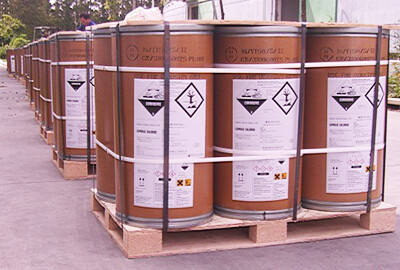
- Packaging format can influence quality retention more than expected, especially where partial bags or drums are reopened several times.
- Transport conditions are sometimes overlooked. Long transit, port storage, and repeated temperature swings may affect free-flowing behavior before the material reaches production.
- Compatibility with liners, seals, and feeding hardware should be reviewed if chloride-containing materials remain in contact with equipment for extended periods.
When comparing grades, it is usually more useful to request lot-level information on heavy metals, insoluble matter, and moisture condition than to ask only for a broader “industrial” or “high-purity” description. If the silicone process is especially sensitive, a controlled trial should include aged material, not only freshly opened samples. That can reveal whether the grade maintains dosing and reaction consistency under realistic storage intervals.
For long production campaigns, the preferred copper chloride for silicone is often the one that combines high purity with a restrained impurity profile, stable physical form, and packaging that limits atmospheric exposure. Selection becomes more reliable when chemical specification, handling behavior, and logistics are judged together rather than as separate approvals.