



Leave A Reply
Optimal Cuprous Chloride Storage Conditions
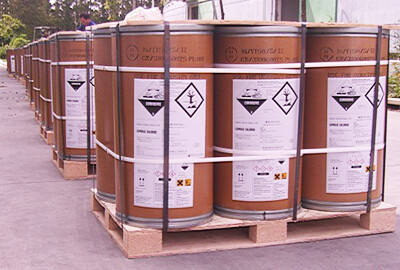
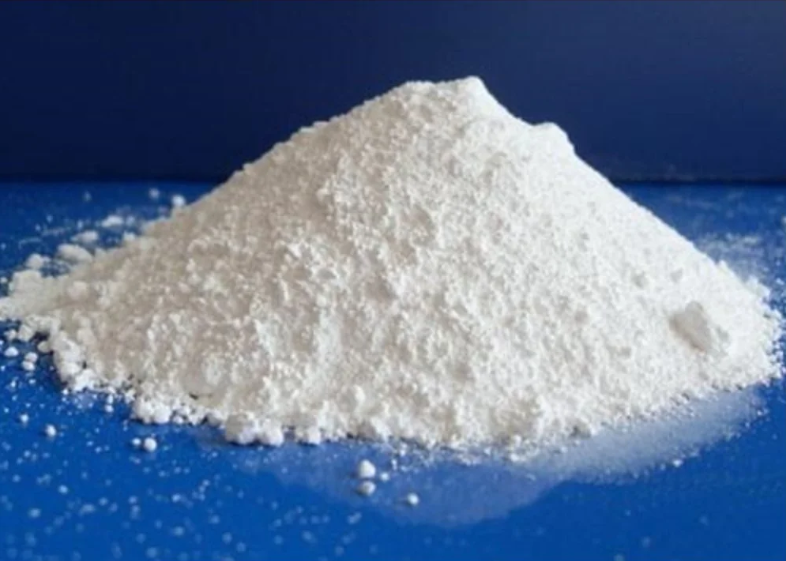
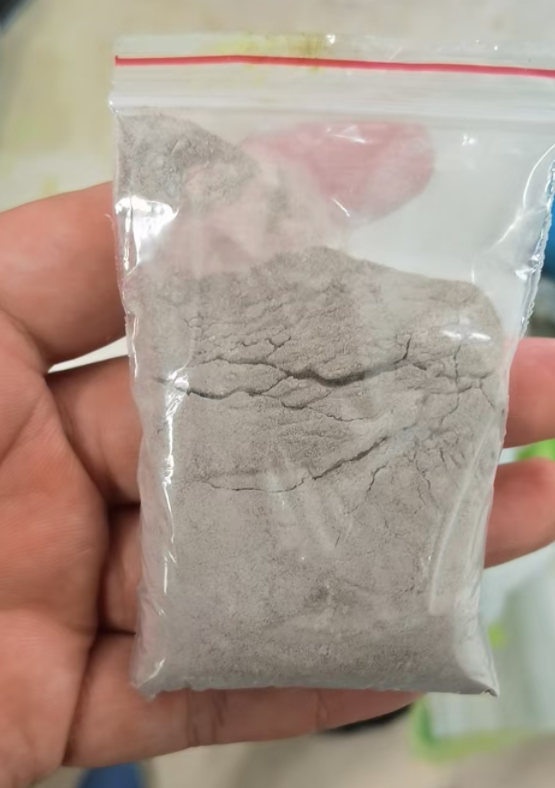
Cuprous chloride storage requires strict environmental controls to prevent oxidation and moisture absorption. High-purity (99%+) CuCl demands specialized handling due to its sensitivity to humidity and temperature fluctuations.
Climate-Specific Storage Guidelines
Tropical climates demand airtight containers with desiccants. Maintain storage temperatures below 25°C (77°F) with relative humidity under 45%.
For arid regions, focus on UV protection. Use amber glass or opaque HDPE containers to prevent photochemical degradation.
Material Compatibility for Storage
Recommended container materials:
- High-density polyethylene (HDPE)
- Glass with PTFE-lined caps
- Stainless steel 316L for bulk storage
Impurity Control Methods
Maintain heavy metal content below 50ppm by:
- Using nitrogen purging systems
- Implementing double-layer packaging
- Conducting quarterly quality audits
Industrial Storage Best Practices
Pharmaceutical-grade storage requires ISO Class 8 environments. Separate from oxidizing agents and strong acids.
For silicone production applications, maintain inventory turnover within 6 months to prevent quality degradation.
Emergency Contingency Measures
Implement these protocols for compromised storage:
- Immediate nitrogen blanket application
- Moisture content testing before reuse
- Isolation of affected batches
Global Compliance Standards
Our storage solutions meet:
- REACH Annex XVII compliance
- USP-NF monograph requirements
- ISO 9001:2015 quality systems