


Leave A Reply
The Quality Shift Driving Copper Chloride for Pesticides in 2026
The global push for higher crop yields is not new, but the methods are changing. In 2026, the demand for copper chloride for pesticides is defined less by volume and more by quality. Decision-makers are increasingly looking beyond the standard market price.
They are focusing on purity levels and the consistency of supply. This shift is not accidental. It reflects stricter regulations on heavy metal residues in food and soil, which directly impact the formulation of modern fungicides and bactericides.
Why Purity Standards Are Becoming a Non-Negotiable Factor
One of the most significant trends in the agrochemical sector is the tightening of impurity limits. For copper chloride used in pesticides, the presence of heavy metals like lead or arsenic is no longer tolerable.
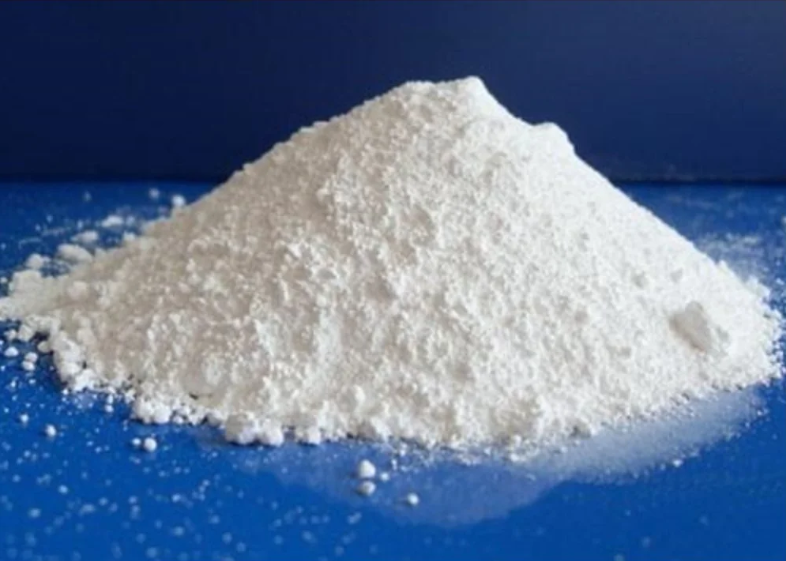
Regulatory bodies in Europe and North America are setting lower thresholds. This creates a clear advantage for suppliers who can guarantee high-purity cuprous chloride. The ability to control heavy metal content below 50ppm is becoming a minimum requirement, not a premium feature.
A Closer Look at the Supply Chain Dynamics
The production of high-grade copper chloride for pesticides relies heavily on advanced processing technology. Traditional methods often struggle to meet the new purity benchmarks.
This is where the integration of innovative production capabilities becomes crucial. For instance, high-temperature technology used by leading producers allows for a purity level exceeding 99%. This technological edge directly supports the trend toward cleaner, more effective pesticide formulations.
Key Factors Shaping the 2026 Market
Several elements are converging to define the future landscape. Understanding these helps in making informed procurement decisions.
- Regulatory Compliance: The EU and US EPA are imposing stricter limits on copper and heavy metal residues, pushing demand for higher purity inputs.
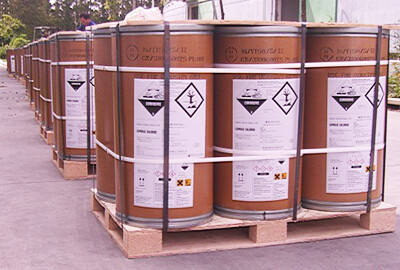
- Logistics Agility: With global trade disruptions, the ability to deliver from a stable hub like Hong Kong is a significant advantage.
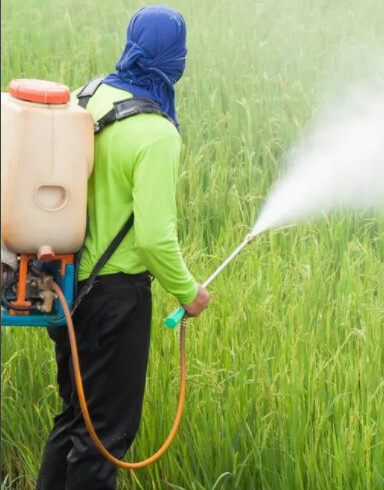
- Application Efficiency: High-purity copper chloride improves the efficacy of pesticides, reducing the amount needed per hectare and lowering the environmental footprint.
The Role of High-Temperature Technology in Product Quality
The technological process behind the product is a key differentiator. High-temperature production methods allow for superior control over the final composition.
This results in copper chloride with minimal impurities, which is essential for high-end applications in silicone and pharmaceuticals, as well as pesticides. The ability to serve such diverse industries is a strong indicator of a supplier’s overall quality management system.
Next Steps for Forward-Thinking Procurement Teams
As 2026 approaches, the priority should be on auditing supply chains for quality and compliance. Simply having a supplier is no longer enough.
The most effective strategy is to engage with partners who combine advanced production technology with a strategic trade location. This ensures that as regulations tighten and demand for sustainable agriculture grows, your supply of copper chloride for pesticides remains both stable and superior.
Evaluating purity certificates and understanding the origin of raw materials will be the defining factors for success in this new market cycle.