


Leave A Reply
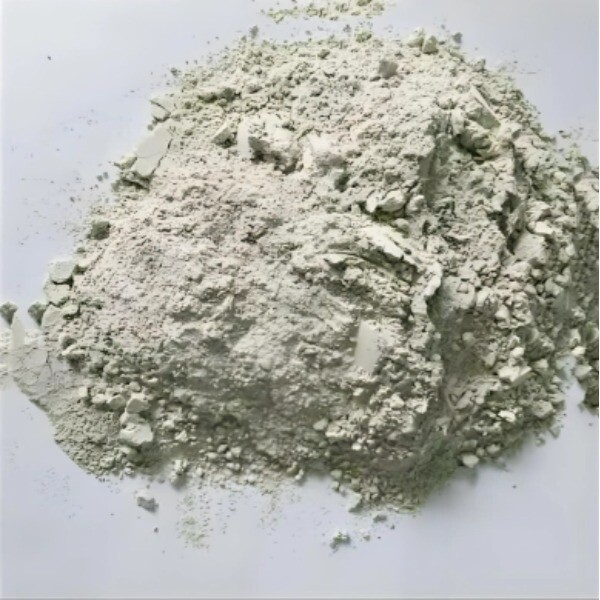
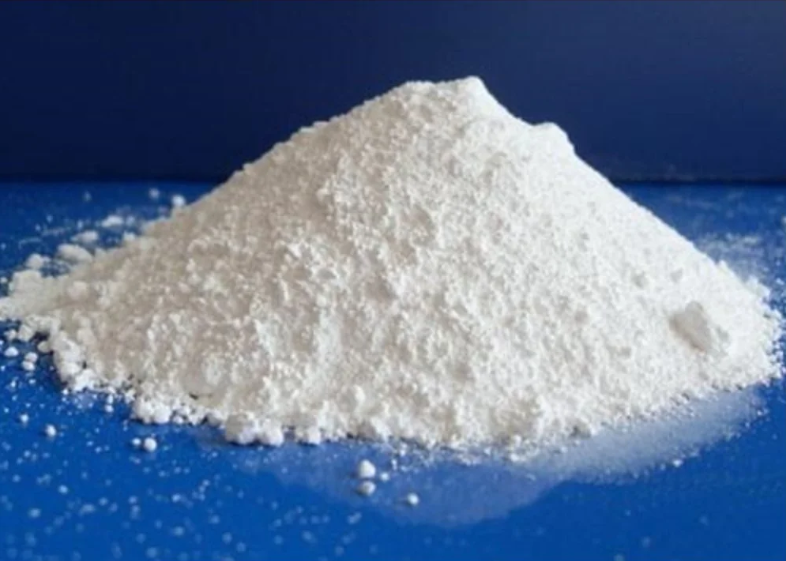
Cuprous chloride is an inorganic compound. It is a white crystalline solid that is stable at room temperature and pressure
Properties:
White cubic crystals or white powder, density 4.14. Melting point 430°C, boiling point 1490°C. Slightly soluble in water, insoluble in ethanol.
Stable in dry air, turns bluish-brown when damp. Iron-gray when molten, rapidly oxidizes in air to form a basic salt, which turns green. Turns brown in exposure to light.
Rapidly hydrolyzes in hot water to form red copper oxide hydrate. Slowly reacts with strong acids, absorbing carbon monoxide to form a complex (CuCO-H2O).
Therefore, cuprous chloride is toxic!
Manufacturing Method:
Copper wire or copper powder reacts with a copper chloride solution to produce a copper solid.
This solid is then added to water and heated to dissolve it, forming a copper solution.
Finally, the copper chloride solution is added and heated to produce a high-concentration copper chloride solution.
Hong Kong Rongjian Chemical utilizes a globally rare high-temperature mass production method, ensuring guaranteed quality and peace of mind for customers.
The reaction equation is:Cu + 2HCl → CuCl2 + H2. The reduction of CuCl2 and Cu to CuCl is achieved by adding sodium sulfite or sodium thiosulfate.
Applications:
It is used in a wide range of fields, including electroplating, metallurgy, pharmaceutical chemicals, pesticide engineering, batteries, and the rubber industry.
In the chemical industry, it is used as a decolorizer, desulfurizer, release agent, catalyst, and reducing agent.
In the dye industry, it is used as a gas absorbent. In the pharmaceutical industry, it is used as a raw material for anti-tuberculosis and other drugs.
It can also be used to manufacture pesticides, purify molten metals, and produce antifouling coatings.
In short, cuprous chloride has a wide range of applications and is an indispensable chemical product in the chemical industry.
Safety:
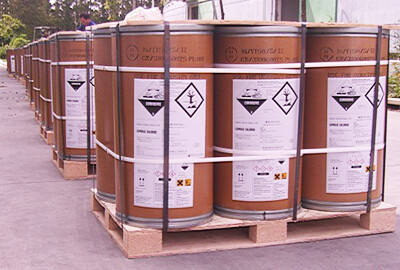
Copper(I) chloride is toxic! It is a strong skin irritant. Dust can cause itching and blistering, and can irritate eyes and water. It should be stored in a cool, ventilated, dry, and dark place. Operators should take protective measures, especially those that protect their skin and respiratory system. It should not be stored or transported together with food or oxidants. Containers must be sealed to protect them from moisture. Protect from rain and sunlight during transportation. In the event of a fire, use water, sand, and various fire extinguishers.
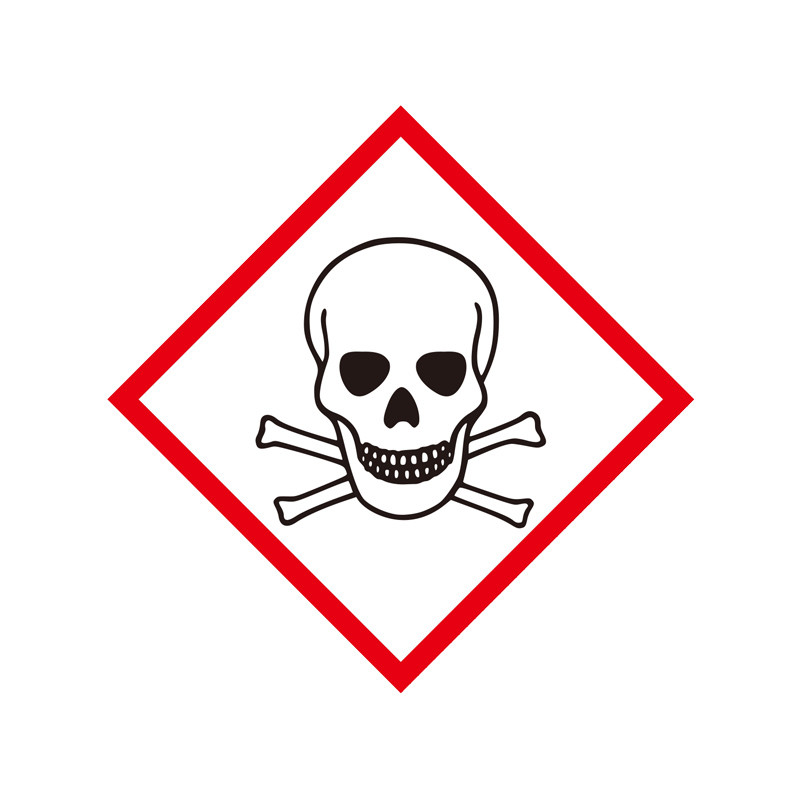
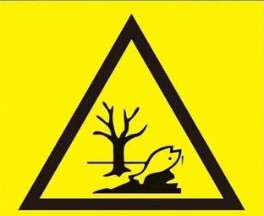
What should I pay attention to when coming into contact with cuprous chloride?
1. Cuprous chloride is toxic; avoid direct contact with skin and eyes.
2. Wear appropriate protective equipment, such as gloves, goggles, and protective clothing, when handling.
3. Avoid inhaling cuprous chloride dust or vapor. Use proper ventilation when handling.
4. Cuprous chloride should be stored in a dry, well-ventilated area, away from sources of ignition and flammable materials.
5. When handling cuprous chloride waste, follow relevant regulations and safety guidelines for handling and disposal.
Please exercise caution when handling and disposing of cuprous chloride and follow relevant operating procedures.