


Leave A Reply
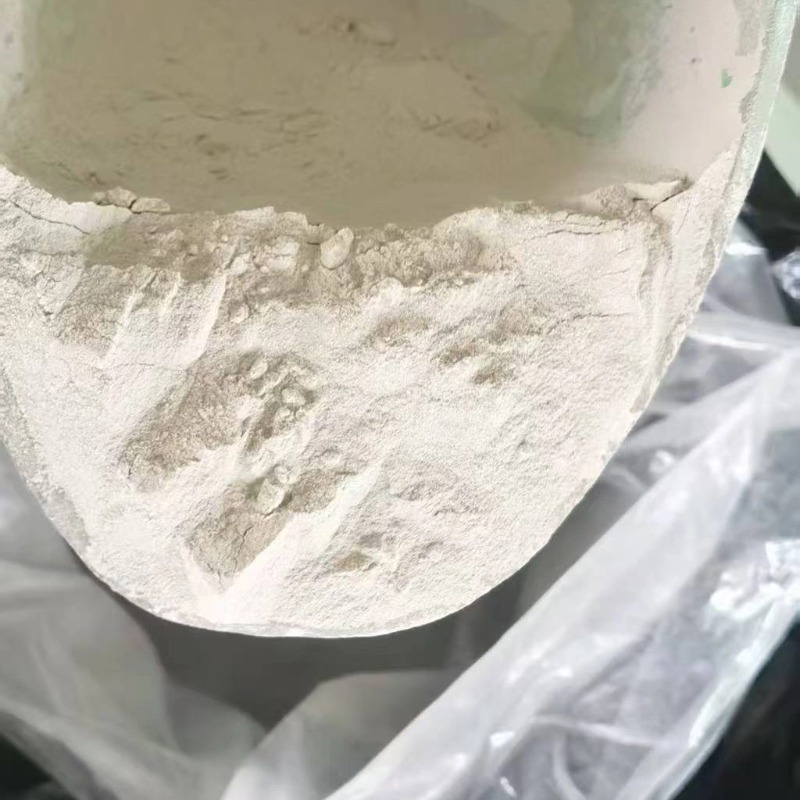
In chemical manufacturing, the choice betweenhigh-purity cuprous chloride(99%+ purity) and standard grade materials significantly impacts product quality and process efficiency. As a global leader in high-temperature production technology, Hong Kong Rongjian Chemical's high-purity cuprous chloride maintains <50ppm heavy metal impurities - far exceeding industry standards. This article explores the critical differences that matter for technical evaluators, procurement specialists, and quality control professionals working in silicone, pharmaceutical, and specialty chemical applications.
1. Purity Levels and Their Impact on Chemical Processes
The primary distinction between high-purity and standard grade cuprous chloride lies in their chemical composition. High-purity variants, such as those produced by Hong Kong Rongjian Chemical, boast a minimum purity of 99%, with heavy metal impurities rigorously controlled below 50ppm. This exceptional purity level directly influences several critical aspects of chemical manufacturing:
- Reaction Efficiency: Higher purity reduces unwanted side reactions, particularly in sensitive applications like pharmaceutical intermediates and silicone production.
- Catalyst Performance: In processes where cuprous chloride acts as a catalyst, impurities can significantly reduce activity and selectivity.
- Product Consistency: Batch-to-batch variation is minimized, crucial for industries requiring strict quality control like electronics and high-end inks.
2. Heavy Metal Impurities: The Hidden Cost of Standard Grade
Standard grade cuprous chloride typically contains heavy metal impurities (Pb, As, Hg) at levels exceeding 200ppm. These contaminants pose substantial risks:
For quality control professionals, these differences translate into tangible benefits: reduced filtration costs, extended catalyst life, and simplified waste treatment processes.
3. High-Temperature Production Technology: The Rongjian Advantage
Hong Kong Rongjian Chemical's proprietary high-temperature synthesis method achieves purity levels unattainable through conventional processes. This technology:
- Eliminates organic solvent residues common in wet chemical methods
- Prevents chloride ion loss during production, maintaining stoichiometric accuracy
- Ensures uniform particle size distribution (D50 typically 10-15μm)
These characteristics make our high-purity cuprous chloride particularly suitable for applications requiring precise morphology control, such as conductive inks and advanced silicone formulations.
3.1 Case Study: Silicone Rubber Manufacturing
A major silicone producer switching to Rongjian's high-purity cuprous chloride reported:
- 15% reduction in curing time
- Improved transparency in medical-grade silicone products
- Extended shelf life of platinum catalyst systems
Conclusion: Making the Strategic Choice
The decision between high-purity and standard grade cuprous chloride ultimately depends on your application requirements and quality standards. For industries where performance, consistency, and regulatory compliance are paramount—such as pharmaceuticals, specialty silicones, and high-performance coatings—the advantages of high-purity materials are undeniable.