



Leave A Reply

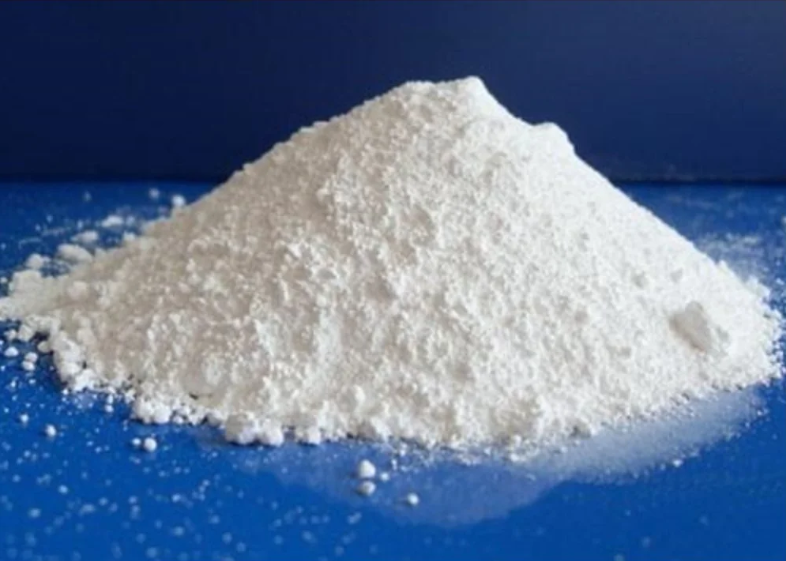
Cuprous chloride is an inorganic compound with the chemical formula CuCl. It is a white-gray granule or powder, requiring proper packaging for storage and transportation.
The production process involves further refining cuprous chloride through a high-temperature dry process. Our company is currently the only enterprise in the industry
using this process, achieving a product purity of 99%-99.5%, with the combined content of major heavy metals below 50 ppm.
The product is mainly used as a catalyst and raw material in organic chemical synthesis. The catalyst grade requires extremely high cuprous chloride content,
typically around 10 ppm for heavy metals. It is widely used in industries such as organosilicon, electroplating, solar energy, pigments, pharmaceutical synthesis,
and pesticide synthesis. Customers experience high yield and recovery rates during use, thus requiring packaging methods to prevent contamination and degradation.
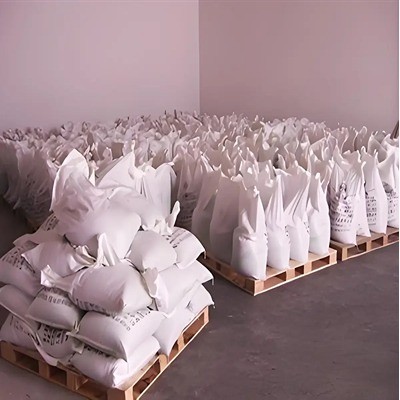
The key to packaging cuprous chloride lies in choosing the appropriate primary packaging container: double-layer polyethylene bags with a thickness of at least
0.2 mm, moisture-proof aluminum foil bags for moisture-sensitive goods, and sealed plastic containers for small batches. The image below shows an example of
cuprous chloride packaging.

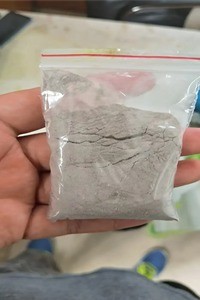
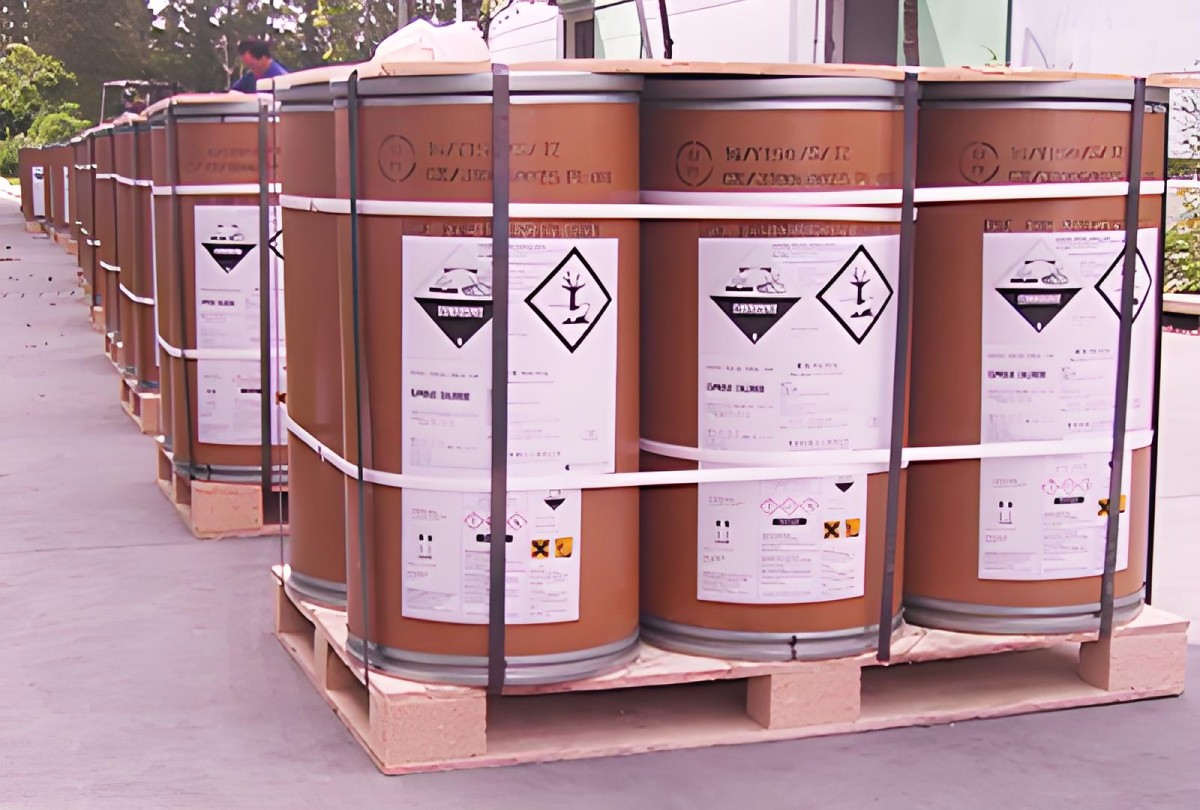
Cuprous chloride long-haul packaging solutions: For long-haul transportation, robust secondary packaging is essential: Container type, capacity, best use, fiber drum 25-50 kg, air and sea freight, steel drum 100-200 kg, land freight, medium bulk container (IBC) 500-1000 kg, bulk sea freight, key packaging precautions: moisture protection.
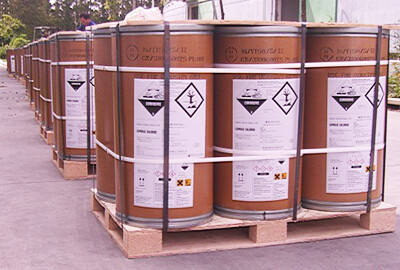
Because cuprous chloride is hygroscopic, all packaging must include: a desiccant pack (silica gel or molecular sieve), a waterproof liner, a moisture-proof wooden frame, and protection against oxidation. To maintain chemical stability during transport: sensitive goods are purged with nitrogen; all containers are ensured to be tightly sealed; oxygen absorbent is added if necessary; appropriate labeling and documentation are required. The image below shows a drum package.
For international shipping, please refer to the following guidelines: maintain a temperature between 15-30°C, avoid direct sunlight, store separately from incompatible
substances (strong acids, oxidizers), and use palletized loading to ensure stability.
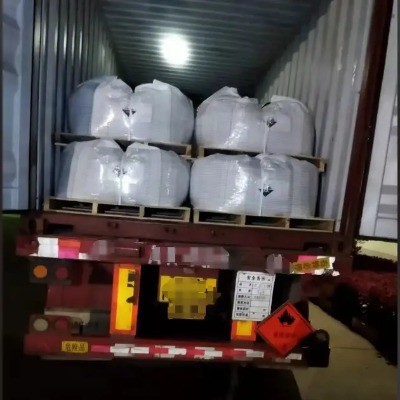
When transporting cuprous chloride, complete transport documentation must be provided, including the relevant chemical transport certificate, consignment note, and safety data sheet. These documents should be completed and carried in accordance with relevant international regulations to ensure the legality and safety of the transport.
Personnel qualifications and training: Personnel transporting cuprous chloride undergo specialized training and assessment, possessing relevant transportation knowledge and skills, and understanding the properties of cuprous chloride and emergency handling methods. During transportation, they strictly adhere to relevant safety regulations and operating procedures to ensure safe and compliant transport.
Emergency response measures: In the event of a cuprous chloride leak or other emergency during transportation, the transportation personnel should immediately take emergency measures, such as using special absorbent materials to treat the leaked material, preventing its spread, and promptly reporting to the relevant departments for handling.
In summary, when you purchase cuprous chloride, professional packaging and shipping companies will handle the process, ensuring safe and timely delivery. If you would like to learn more about cuprous chloride, please visit: Cuprous chloride introduction